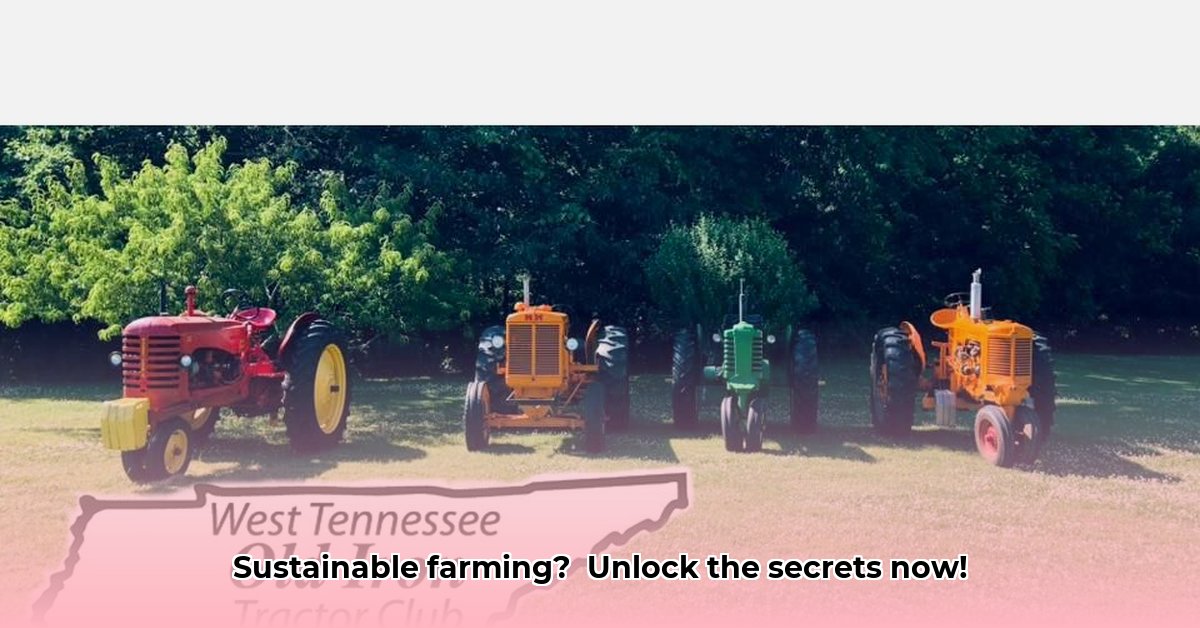
Tractor Clubs: Revving Up Sustainable Farming
Tractor clubs, once envisioned as dusty barns filled with sputtering engines and grizzled mechanics, are experiencing a digital renaissance. They've transformed into vibrant online communities connecting farmers globally, fostering expertise sharing, and ultimately building a more sustainable future, one vintage tractor at a time. These digital hubs are redefining agricultural practices, offering a modern approach to traditional knowledge dissemination. But how exactly are these groups changing the landscape of sustainable farming? For local resources, check out your local TSC.
The Power of Community: Beyond Parts and Repairs
Imagine a network of hundreds—even thousands—of fellow farmers readily available to lend assistance, offer advice, and help troubleshoot persistent engine problems. This is the core strength of a modern tractor club. These communities are vital for preserving agricultural heritage and promoting sustainable practices. Their value extends beyond simple machinery repair; they foster relationships, share invaluable wisdom, and create a sense of belonging among like-minded individuals.
Case Study: The Ford N-Series Enthusiasts
The online community dedicated to Ford N-Series tractors exemplifies this phenomenon. Members are passionate about maintaining these robust machines. Their online forum serves as a virtual parts depot, repair manual, and brainstorming hub. Members readily share repair techniques, assist in locating rare parts, and even collaborate on complete tractor restorations. It’s essentially having a global team of expert mechanics at one's fingertips.
This collaborative approach significantly extends the lifespan of these vintage machines. Instead of discarding older tractors for newer models, members work together to keep them operational, resulting in cost savings, reduced waste, and minimized environmental impact associated with new equipment manufacturing. This collective action demonstrates how significant environmental gains can be achieved.
The Challenge of Access: Bridging the Digital Divide
While the benefits of tractor clubs are undeniable, a critical barrier remains: access. Not all farmers have equal access to the internet and the necessary technology to participate fully in these online communities. This digital divide limits the benefits these groups offer, creating an inequitable situation. Ironically, a community dedicated to sustainability sometimes faces unequal access to its own resources. Ensuring all farmers, regardless of location, resources, or technical skills, can benefit from these online communities is essential for creating truly sustainable practices. How can we ensure equitable access? This is a crucial question for the future of sustainable farming.
How to Improve Digital Accessibility for Sustainable Farming Online Communities
Key Takeaways:
- Digital technologies significantly enhance smallholder farming efficiency, market access, and sustainability.
- Successful digital farming demands addressing digital access, trust, financial sustainability, and digital literacy.
- Case studies reveal the potential, but scaling requires overcoming adoption barriers and ensuring long-term viability.
- Smallholder farmers require improved digital literacy and access to pertinent apps.
- AgTech companies must prioritize trust-building and address digital divides.
- Investors and donors should fund pilot programs and digital literacy initiatives.
- Governments must improve digital infrastructure and create supportive regulatory environments.
Bridging the Digital Divide in Sustainable Farming
Technology is transforming agriculture, but ensuring equitable benefits for all farmers is critical. A farmer in a remote area should have the same access to information and markets as someone in a city. A key obstacle is internet access; many rural areas lack reliable connectivity, hindering access to online resources, participation in online communities, and digital sales. Investing in rural broadband infrastructure is crucial, potentially through government subsidies or public-private partnerships. Another significant challenge is digital literacy; practical workshops and training programs tailored to farmers' needs and learning styles can bridge this gap.
Building Trust and Community
Trust is paramount for digital adoption. Farmers might be hesitant to share data or conduct online financial transactions. Building trust requires establishing transparent and secure digital platforms that prioritize data security and adhere to privacy regulations. Actively involving local communities in the design and implementation of digital tools fosters ownership and trust.
The Power of Online Tractor Clubs: A Collaborative Approach
Online tractor clubs exemplify the power of digital tools in promoting sustainable agriculture. They are more than just forums; they're about collaboration, problem-solving, and market access. However, many of these clubs lack accessibility features. Websites might not be compatible with assistive technologies for the visually impaired or lack mobile optimization, excluding those with limited internet access. Ensuring inclusivity within these communities is crucial.
Steps to Enhance Accessibility
Here's a step-by-step guide to enhance online community accessibility:
- Mobile-First Design: Create websites fully responsive across all devices.
- Assistive Technology Compatibility: Ensure compliance with WCAG (Web Content Accessibility Guidelines).
- Multilingual Support: Offer content in multiple languages relevant to your community.
- Accessible Content: Use clear, concise language, sufficient contrast, and alt text for images.
- Inclusive Design: Consult with farmers to understand their needs and preferences.
Sustainable Growth: A Collaborative Effort
Sustainable agriculture requires a collaborative effort. Governments, AgTech companies, and farmers must work together to ensure everyone benefits from digital technologies, fostering a more sustainable future for all.